
The Complete Guide to Timber Sash Window Restoration: What Every Homeowner Needs to Know
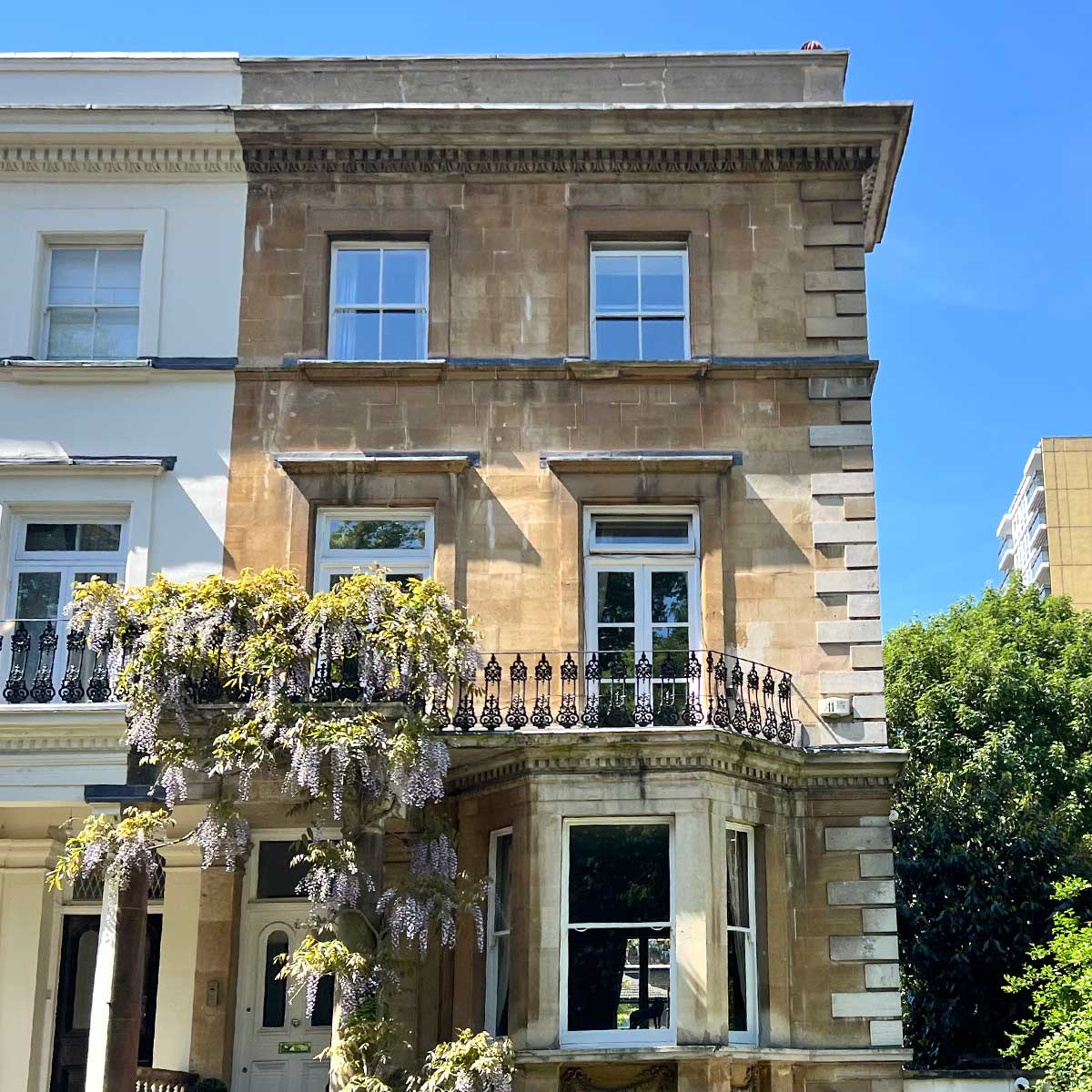
When it comes to traditional homes, few features are as iconic and charming as timber sash windows. Their elegant proportions and classic design are a hallmark of British architecture, especially in Georgian, Victorian, and Edwardian properties. However, as beautiful as they are, sash windows often suffer from the wear and tear of time.
Fortunately, professional restoration can bring your timber sash windows back to life — preserving their character while improving performance, energy efficiency, and value. In this complete guide, we’ll explain everything you need to know about sash window restoration, so you can make the best decision for your home.
Most sash window restorations can be completed within 2–5 days per window, depending on the complexity.
Cavendish Cole – MD
Why Restore Your Sash Windows?
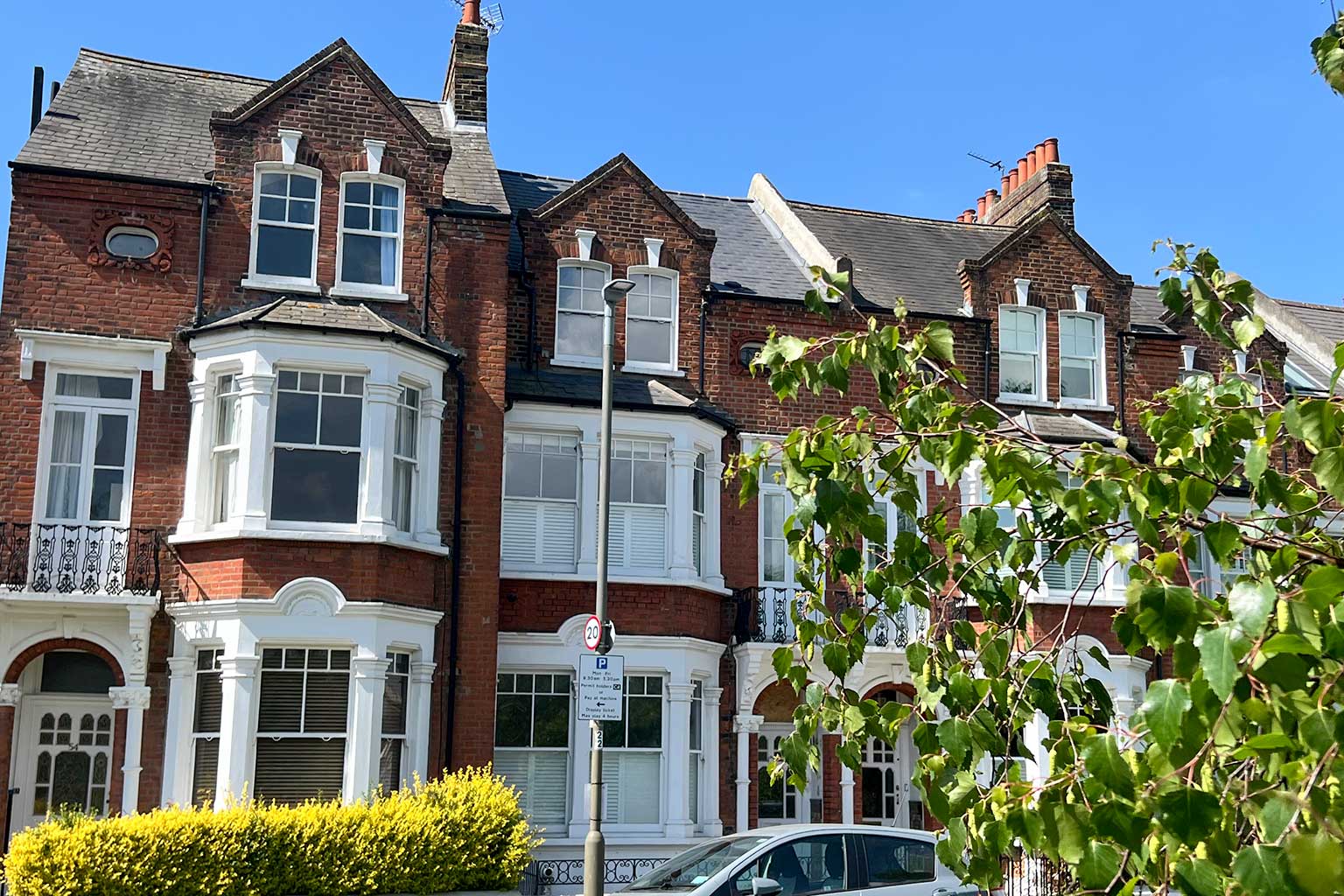
Many homeowners, when faced with decaying sash windows, wonder whether restoration is worth it. The short answer is: absolutely.
Here’s why:
- Preserve original character: Replacement windows rarely match the craftsmanship and authenticity of traditional timber sash windows.
- Increase property value: Restored original features are highly desirable to buyers.
- Improve energy efficiency: With modern restoration methods, old windows can be draught-proofed and insulated to modern standards.
- Environmental benefits: Repairing existing timber windows has a lower carbon footprint than manufacturing new ones.
If your home is listed or in a conservation area, restoring your sash windows might not just be the best option — it may be required by law.
Common Problems with Old Sash Windows
Over decades (or even centuries), timber sash windows can develop several issues:
- Rotting timber: Especially at the sills and lower rails, where water collects.
- Broken sash cords or weights: Preventing smooth opening and closing.
- Paint buildup: Multiple layers of old paint can jam sashes or cause them to stick.
- Draughts and rattling: Poor seals allow cold air and noise into the home.
- Broken glazing: Single-pane glass is vulnerable to cracks and poor insulation.
- Distorted or worn frames: Settlement of the building over time can knock frames out of alignment.
Fortunately, almost all these problems can be fixed with careful, professional restoration.
Step-by-Step: How Sash Window Restoration Works
Every window and project is different, but the typical restoration process looks like this:
1. Assessment and Inspection
A thorough inspection identifies structural issues, rot, frame condition, and whether the glazing is intact. Your specialist will also check for any historical details worth preserving.
2. Removal of Sashes
The sashes are carefully removed from the frame for easier access. This allows full inspection of joints, glazing bars, and cords.
3. Stripping and Repairs
Layers of old paint are stripped back, exposing the bare timber. Any rotten sections are cut out and replaced with matching timber.
Traditional joinery techniques are used to maintain the window’s original look.
4. Draught-Proofing and Insulation
Modern draught-proofing systems are installed discreetly into the sashes and frames. This can dramatically reduce heat loss and outside noise without altering the window’s appearance.
5. Re-Glazing (if Needed)
Broken panes are replaced, often with thin double-glazed units if allowed. If listed building rules apply, special conservation-grade glass may be used.
6. Rebalancing and Re-Cording
New sash cords are fitted, and weights are adjusted so that the sashes move smoothly again.
7. Painting and Finishing
The frames and sashes are primed, undercoated, and finished with specialist exterior-grade paints that protect the timber while allowing it to breathe.
Materials and Techniques Used Today
Modern sash window restoration combines traditional craftsmanship with the latest materials:
- High-performance paints resist cracking and peeling.
- Resin repairs are sometimes used to fill small areas of rot.
- Thin double-glazing can be installed without ruining traditional proportions.
- Modern draught-proofing systems are subtle and effective.
With these improvements, a restored sash window can outperform many modern windows — all while maintaining authentic style.
Why Professional Restoration is Important
While minor maintenance tasks like repainting can be DIY projects, full sash window restoration is best left to experienced professionals.
Here’s why:
Correct diagnosis: Only a trained eye can spot hidden rot or structural problems.
Specialist skills: Joinery, glazing, and balancing are crafts that require years to master.
Legal compliance: If your property is listed, specialist restoration is often mandatory.
Long-term durability: Professional work will last for decades if properly maintained.
Trying to cut corners could result in further damage and even higher costs later.
Costs and Timelines
Restoration costs depend on the condition of the windows, but here’s a rough guide:
- Minor repairs and repainting: From £300–£500 per window.
- Full restoration with draught-proofing: £800–£1,200 per window.
- Upgrades like double-glazing retrofits: £1,200–£2,000 per window.
Most sash window restorations can be completed within 2–5 days per window, depending on the complexity.
Long-Term Benefits of Restoring Sash Windows
When done properly, restoring your sash windows offers long-lasting rewards:
- Enhanced comfort: No more rattles, draughts, or cold spots.
- Lower energy bills: Improved insulation means reduced heating costs.
- Increased property value: Buyers love homes with well-preserved period features.
- Aesthetic appeal: Nothing matches the beauty of original, hand-crafted timber.
- Sustainability: Repairing and retaining original windows is far more eco-friendly than replacing them.
Restoring vs. Replacing: When to Choose Each
While restoration is usually the preferred option, sometimes replacement may be necessary — especially if the frame is completely rotten or beyond repair.
However, a reputable sash window specialist will always aim to restore rather than replace wherever possible.
If full replacement is needed, consider bespoke timber sash windows that replicate the originals exactly, maintaining your property’s historic integrity.
Conclusion
Timber sash windows are one of the most beautiful features of traditional homes — and with proper restoration, they can continue to perform beautifully for decades to come.
Restoring your original sash windows is an investment in your home’s future, offering timeless style, modern comfort, and real financial value. With the right expert guidance, your sash windows can once again become the true centrepiece of your property.
If you’re thinking about restoring your timber sash windows, contact a trusted specialist to discuss your options — and bring the beauty of your home back to life.
Tags