
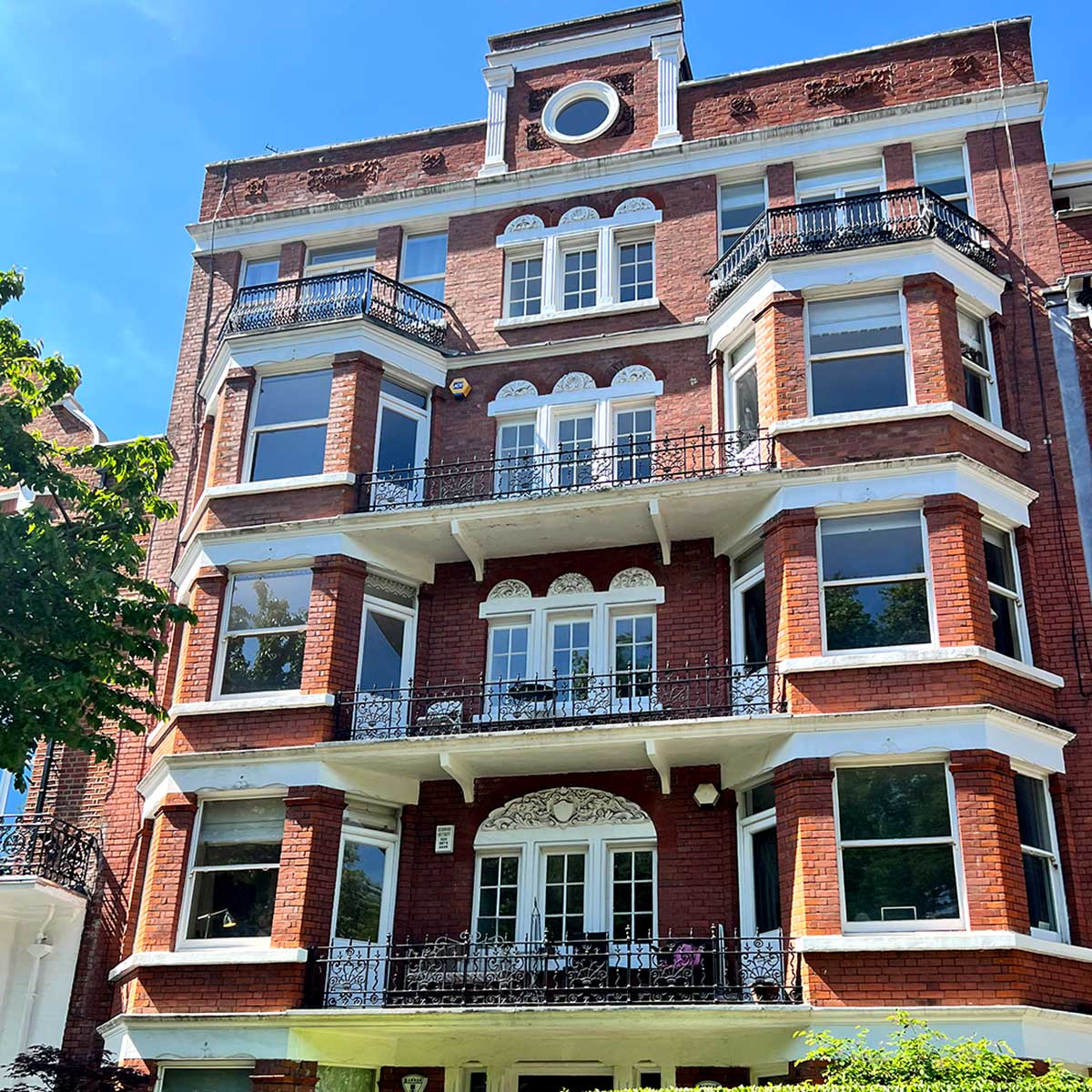
Modern Sash Windows: How Today’s Designs Combine Traditional Style with 21st Century Performance
Sash windows have been a staple of British architecture for over 300 years. Their timeless design and elegant proportions have graced Georgian townhouses, Victorian terraces, and Edwardian villas alike. But for all their charm, original sash windows often lacked insulation, security, and durability — especially as they aged.
Thankfully, the sash window has evolved. Today’s modern sash windows maintain the traditional look we love while offering vastly improved performance in terms of energy efficiency, security, and ease of maintenance.
In this guide, we’ll explore how modern sash windows strike the perfect balance between heritage aesthetics and cutting-edge functionality — making them the ideal choice for both period and contemporary homes.
The appeal of sash windows has never faded. Their clean, vertical lines and symmetrical proportions remain a defining feature of character homes. Many homeowners today are either restoring existing sash windows or replacing poor-quality replacements with accurate modern replicas.
Cavendish Cole – MD
Why Sash Windows Still Matter
The appeal of sash windows has never faded. Their clean, vertical lines and symmetrical proportions remain a defining feature of character homes. Many homeowners today are either restoring existing sash windows or replacing poor-quality replacements with accurate modern replicas.
But it’s not just about looks. Well-designed sash windows also provide excellent ventilation, as both top and bottom sashes can be opened — helping warm air escape while drawing cooler air in.
For those living in conservation areas or listed properties, installing like-for-like sash windows is often a planning requirement. Fortunately, modern materials and technology now allow us to meet those standards without compromising on comfort or safety.
Timber, uPVC, or Aluminium? Comparing Your Options
Modern sash windows are available in a range of materials, each with its own strengths and drawbacks. Let’s break them down:
1. Timber Sash Windows
Still the gold standard for authenticity, timber sash windows are perfect for period properties or anyone looking to retain a traditional appearance.
Pros:
Unmatched aesthetic appeal and historic accuracy
Custom-made to match existing windows
Naturally insulating
Can be painted in any colour
Suitable for conservation areas
Cons:
Requires regular maintenance (painting or staining)
More expensive than uPVC
Today’s timber windows are usually made from high-performance woods like Accoya, which is extremely durable, low-maintenance, and environmentally friendly.
2. uPVC Sash Windows
A more budget-friendly option, uPVC sash windows replicate the look of timber but with less upkeep.
Pros:
Low maintenance
Affordable
Decent insulation properties
Won’t rot or warp
Cons:
Less authentic appearance — especially up close
Limited colour options
Can reduce property value in historic homes
uPVC is most commonly used in newer buildings or in period homes where budget is the main concern.
3. Aluminium Sash Windows
A modern, sleek option for contemporary homes or industrial-style renovations.
Pros:
Ultra-slim frames for more glass and natural light
Strong and secure
Virtually maintenance-free
Cons:
Not ideal for traditional homes
Can be more expensive than uPVC
Poorer insulator unless thermal breaks are included
For heritage homes, timber remains the preferred and most accepted choice — especially where visual accuracy matters.
Modern Glazing Options: More Than Just Glass
One of the biggest upgrades in modern sash windows is the glazing. Where traditional windows used single panes of glass, new sash windows offer far superior performance:
Double-Glazing
Modern sash windows now come with double-glazed units that dramatically reduce heat loss and noise. The two panes are separated by a layer of inert gas (like argon) that acts as insulation.
These units are often slimline in heritage sash windows, meaning they replicate the thin appearance of single glazing while offering the benefits of modern insulation.
Acoustic Glazing
Perfect for homes near busy roads or flight paths, acoustic glazing helps block out external noise without changing the visual profile of the window.
Low-E Glass
This is a type of glass coated with a special layer that reflects heat back into your home, making your windows more energy efficient — perfect for reducing winter heating bills.
Security Improvements in Modern Sash Windows
Original sash windows had one major flaw: they weren’t built with modern security concerns in mind. Fortunately, new models come with built-in safety features.
Multi-point locking systems
Key-operated sash locks
Toughened or laminated glass options
Anti-lift restrictors to prevent forced entry
Child safety restrictors for upper floors
These additions don’t detract from the window’s appearance but give homeowners valuable peace of mind.
Low-Maintenance Features
Another major advantage of modern sash windows is how much easier they are to live with:
Tilt-in sashes: Many models now allow you to tilt the sashes inward, making them easy to clean from inside the home — especially useful for upper floors.
Micro-ventilation: Some systems allow slight ventilation even when the window is locked.
Durable finishes: Today’s timber sash windows come factory-finished with microporous paints that resist cracking and peeling for years.
With proper installation and occasional upkeep, high-quality modern sash windows can last for decades.
Design Considerations for Period Homes
If you live in a conservation area or listed property, replacing windows can be a challenge — but it’s not impossible.
Modern sash windows can be made to replicate historic features exactly, including:
Slim glazing bars and authentic mouldings
Horn details
Putty-style finishes
Traditional weights and pulleys (or concealed spring balances, where preferred)
Traditional joinery techniques
A professional sash window specialist will ensure any replacement windows comply with local regulations and preserve the building’s character.
Real-Life Examples: Modern Performance, Traditional Charm
Here are just a few scenarios where modern sash windows make a real difference:
Victorian Terrace in Sussex:
The homeowner replaced old uPVC windows with Accoya timber sash windows featuring slimline double-glazing and traditional weights. The result? A warm, quiet, and beautiful home that now looks far more in keeping with the original period features.
Listed Georgian Home in Kent:
Using conservation-approved slim double glazing, we installed bespoke timber sash windows with exact Georgian-style bars and crown glass detailing. The upgrade retained the historic charm while improving energy efficiency and security.
Modern Build with Traditional Styling:
The client wanted the charm of sash windows in a new extension. We fitted spring-balanced timber sashes with acoustic double-glazing and low-maintenance paint finishes, blending heritage design with modern living.
Conclusion: The Best of Both Worlds
Modern sash windows prove that you don’t have to choose between character and comfort. With the right materials and expert installation, you can enjoy all the elegance of traditional sash windows alongside the benefits of today’s advanced technology.
From energy savings and increased security to reduced maintenance and long-term value, today’s sash windows are a smart investment — whether you’re restoring a period home or building from scratch.
Looking to upgrade or restore your sash windows? Contact a trusted local specialist who can guide you through the options and create the perfect solution for your property.
Tags