
The History of Sash Windows: Britain’s Most Iconic Architectural Feature
Sash windows are one of the most distinctive and enduring features of British architecture. Elegant, practical, and steeped in tradition, they’ve graced homes across the UK for more than three centuries — from grand Georgian townhouses to modest Victorian terraces.
In this article, we’ll take a journey through the history of sash windows, tracing their origins, rise in popularity, changing styles across the centuries, and their continued relevance today. Whether you’re a homeowner, heritage enthusiast, or simply curious, understanding the sash window’s story adds new appreciation for one of the most iconic elements in British design.
What Is a Sash Window?
Before diving into the history, it helps to define exactly what a sash window is.
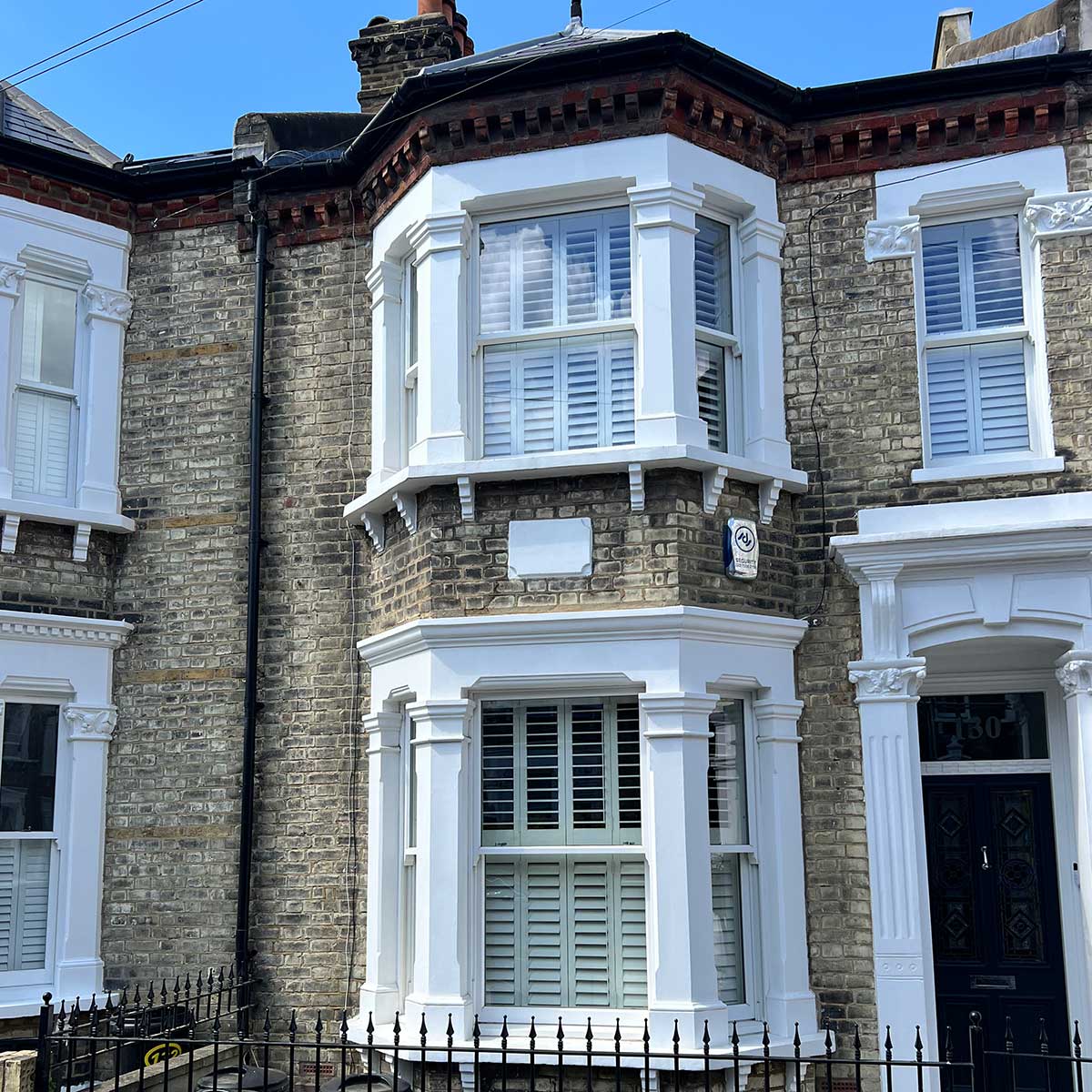
A sash window is made up of one or more movable panels (known as sashes) that slide vertically (and, in some modern versions, horizontally) to open and close. Traditionally, each sash contains multiple panes of glass, separated by narrow glazing bars, and the window opens by sliding one sash over the other within a box frame.
The earliest sash windows operated using a system of pulleys, cords, and counterweights — a clever bit of engineering that allowed the window to remain open at any height without the need for external supports.
The Origins of the Sash Window
While there is some debate about the exact origin of the sash window, most historians agree that it emerged in the late 1600s. One theory attributes its invention to the English scientist and architect Robert Hooke, while others suggest it may have been brought over from the Netherlands or France. What’s certain is that by the early 18th century, sash windows had become the window of choice for Britain’s elite.
Their early popularity stemmed from a combination of practicality and elegance. Casement windows (which open on hinges like doors) were prone to letting in wind and rain, while sash windows could be more precisely adjusted for ventilation and were better suited to urban architecture, where space was at a premium.
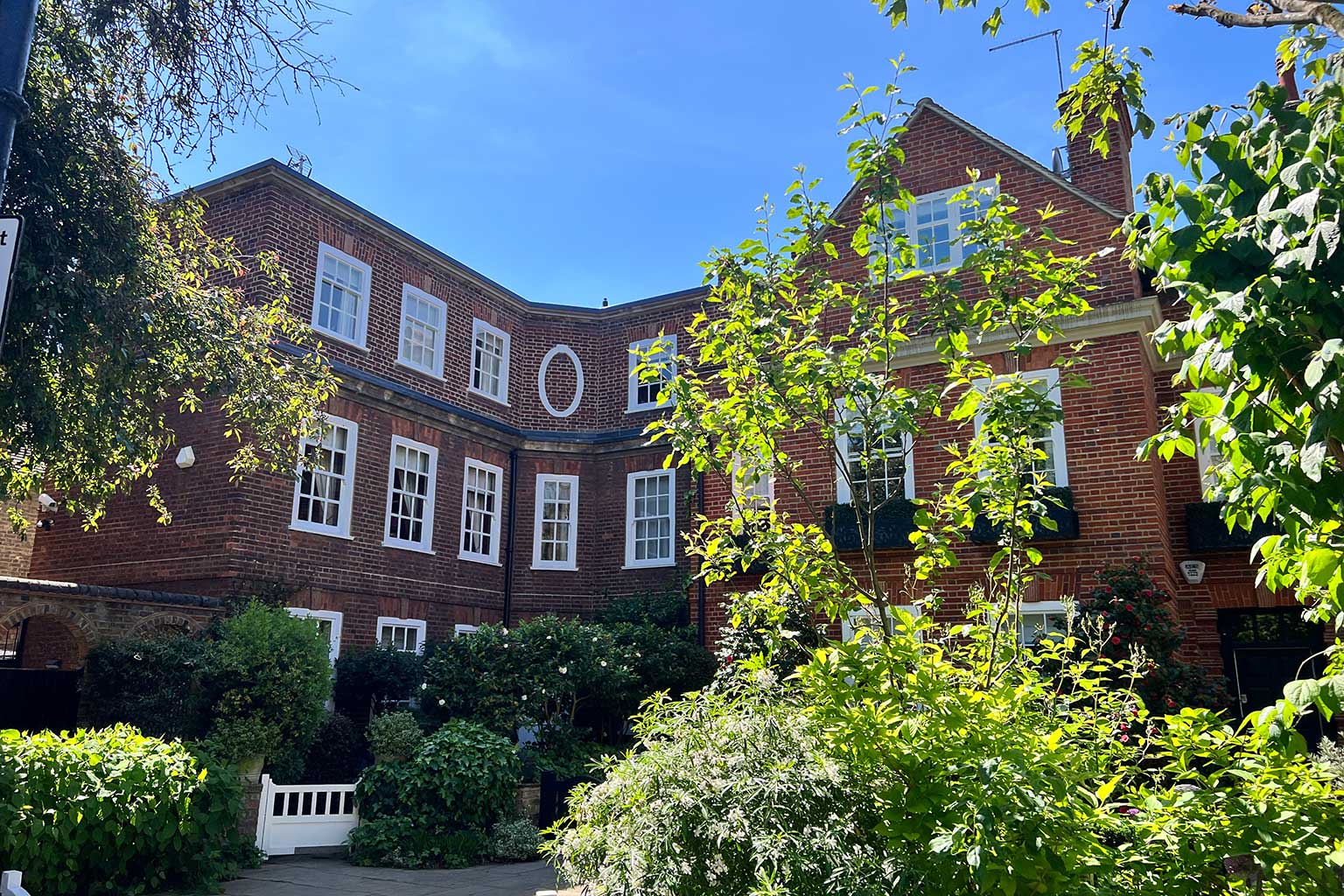
The Georgian Era (1714–1830): The Birth of the Classic Sash
The Georgian period marked the golden age of sash windows. During this time, they became a hallmark of refinement and symmetry, in keeping with the classical ideals of Georgian architecture.
Key features of Georgian sash windows:
- Typically six-over-six panes (six panes in the upper sash and six in the lower)
- Thin glazing bars to maximise light while keeping glass panes small (as large sheets of glass were hard to produce)
- Proportional design, with windows aligned precisely across building facades
- Often set in painted timber frames with fine detailing
Glass was still expensive, so early sash windows had many small panes. These were usually made of crown glass, which had a slight ripple or distortion — something that today is considered highly desirable for its antique charm.
The Victorian Era (1837–1901): Advancements and Variety
By the mid-19th century, industrial advances had changed how sash windows were made. The production of larger, flatter panes of glass (thanks to innovations like cylinder and plate glass) meant that sash window designs could evolve.
Victorian sash window characteristics:
- Two-over-two pane configuration became common
- Thicker glazing bars as design styles shifted
- Use of horns — decorative extensions at the bottom of the top sash, added to strengthen the frame
- Greater variety in proportions and detailing, especially in urban housing
Victorian sash windows varied more than their Georgian predecessors, with different styles emerging across regions and house types — from ornate sash windows with stained glass in wealthier homes to simpler designs in workers’ cottages.
The Edwardian Period (1901–1910): Wider Designs and Transitional Styles
Edwardian architecture moved away from the vertical emphasis of the Victorian era, embracing lighter, more open interiors. Sash windows followed suit.
Typical features:
- Larger panes in the lower sash (often single-pane), with smaller, multi-paned top sashes
- Wider window openings and bay window designs
- Increasing use of decorative glazing, such as coloured or leaded glass
- More emphasis on natural light and ventilation
This was also the era when suburban expansion took off, with sash windows playing a central role in the architecture of newly built homes across the UK.
20th Century: Decline and Displacement
Following the First World War, the demand for cheaper, mass-produced housing led to the rise of alternative window types. Sash windows, which required skilled joinery and regular maintenance, were gradually replaced by casement windows, especially in mid-20th-century developments.
Later, during the post-war building boom, many traditional sash windows were removed and replaced with modern (often poorly fitted) aluminium or uPVC units — a move that stripped thousands of homes of their original character.
Sadly, much of the craftsmanship and detail that defined historic sash windows was lost during this period.
The Revival: Conservation, Restoration, and Modern Craftsmanship
In the late 20th century, appreciation for period architecture — and the sash window’s place in it — began to return. As more homeowners recognised the charm and value of original features, sash window restoration and faithful replacements became increasingly common.
Local councils introduced conservation area guidelines, encouraging like-for-like replacements for historic windows.
Meanwhile, advances in technology meant that sash windows could now be upgraded with:
- Double glazing (including slimline units for period properties)
- Improved draught-proofing systems
- High-performance timber like Accoya
- Enhanced security features
Today, sash windows continue to be a sought-after feature in both restored period homes and new builds designed to reflect traditional architecture.
Sash Windows Around the UK: Regional Differences
Though their core design remained similar, sash windows often reflected regional building styles. For example:
In London, tall, narrow Georgian sash windows dominate the façades of terraced houses and townhouses.
In Scotland, sash windows sometimes opened horizontally and were deeper set due to the thickness of stone walls.
In seaside towns, large bay sash windows allowed for expansive views and better light in the darker months.
Why Sash Windows Still Matter Today
Despite centuries of change, sash windows have never truly gone out of style. They offer:
- Timeless elegance that enhances property value
- Practical benefits like adjustable ventilation
- Architectural continuity in historic homes
- Customisable options for new homes that want classic charm
With expert restoration or high-quality replacements, today’s sash windows combine the beauty of the past with the performance of modern engineering.
The history of sash windows is a story of design evolution, innovation, and enduring appeal. From their 17th-century origins to their Georgian refinement, Victorian variety, Edwardian openness, and eventual revival, sash windows have proven themselves as one of Britain’s most beloved architectural features.
Whether you’re restoring an original window or installing a new one in a period-style home, sash windows remain a statement of elegance and timeless craftsmanship — as relevant today as they were three centuries ago.
Call us on 01273 282176 or email us here
Get in touch today for a free consultation. Let’s bring your vision to life—beautifully, traditionally, and made to last.
Get In Touch
[contact-form-7 id=”02a8423″ title=”Service form”]
Contact Us
-
Brighton, East Sussex -
info@cavendishcole.co.uk
-
01273 282176
Cavendish & Cole
Additional Services
 Sash windows are a defining feature of many Georgian, Victorian, and Edwardian homes—but over time, they can become worn, draughty, or difficult to operate. At Cavendish & Cole, we offer specialist sash window repair services designed to bring your original timber windows back to life.
Sash Window Repair
Read More At Cavendish & Cole, we specialise in sash window restoration, repairs, and upgrades for homes of historic significance—including those protected by English Heritage, local conservation areas, or official listed building status.
Listed Buildings
Read More Original timber sash windows bring timeless character to your home—but they’re not always known for energy efficiency. Over time, natural movement, paint build-up, and ageing frames can cause gaps that let in cold air and outside noise.
Draught Proofing
Read More At Cavendish & Cole, we believe that beautiful timber sash windows should offer more than just aesthetic appeal—they should also make your home feel safe and secure. That’s why we offer a range of sash window security upgrades, tailored to suit both modern and period properties, including listed buildings and homes in conservation areas.
Security Solutions
Read More Condensation on or around your timber sash windows can be frustrating, unsightly, and even damaging if left untreated. At Cavendish & Cole, we help homeowners across Sussex, Kent, and Surrey understand and manage condensation—while preserving the beauty and integrity of their period windows.
Condensation
Read More At Cavendish & Cole, every sash window we craft or restore deserves a finish that’s as timeless as the joinery itself. That’s why we offer a complete range of decorating options for timber sash windows—from classic heritage tones to modern neutrals, all applied with precision and respect for the character of your home.