
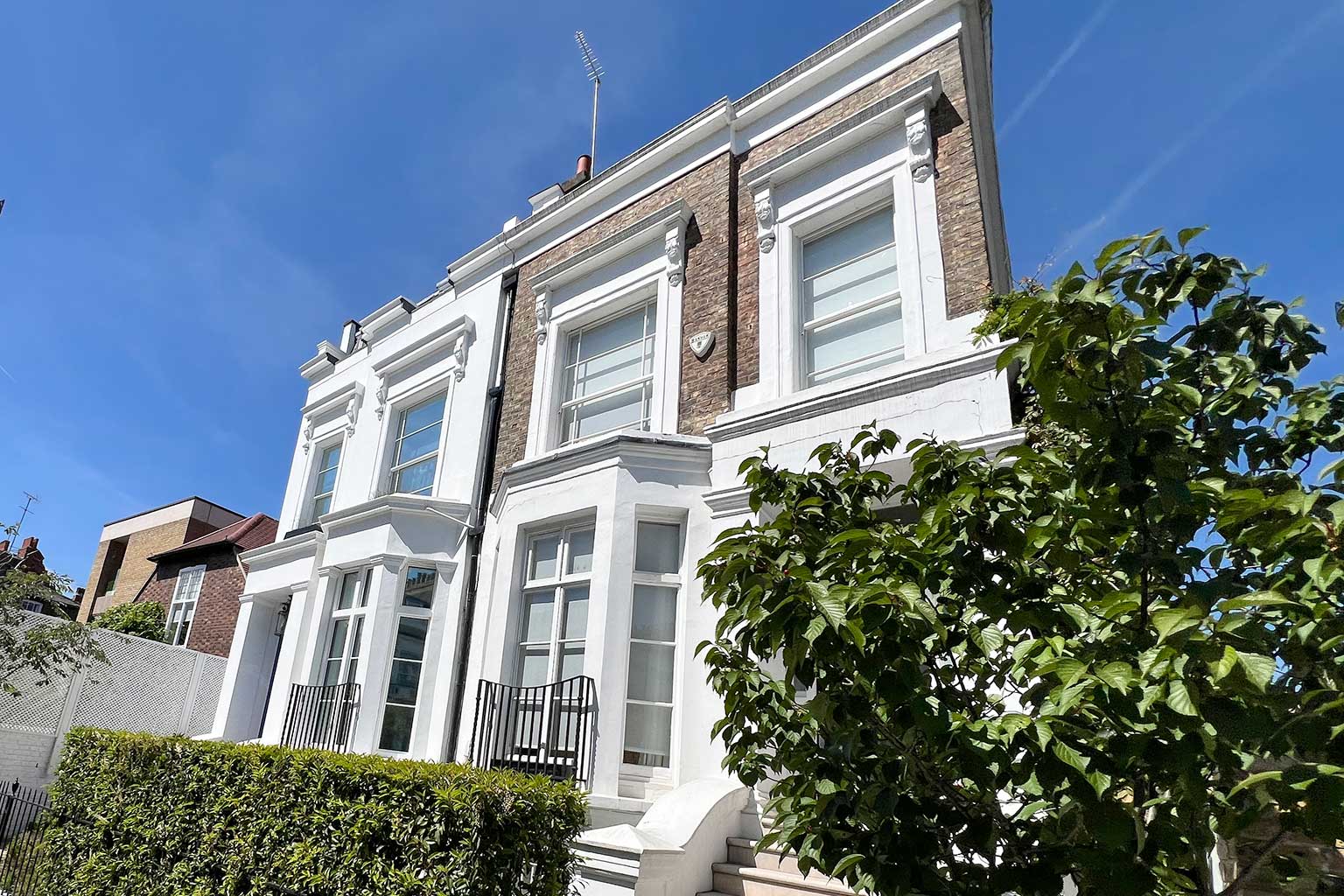
Sash Window Jargon Explained: A Simple Guide for Homeowners
If you’re renovating a period home or looking into sash window repairs or replacements, you’ll quickly come across a number of technical terms — some of which can sound confusing at first. What’s a “sash”? What’s the difference between a “staff bead” and a “parting bead”? And what on earth is a “horn”?
To help demystify it all, here’s a plain-English guide to common sash window terminology — so you can feel confident talking to your window specialist or reading through a quote.
Undertanding Sash Window terms
Sash
The sash is the movable part of the window that holds the glass. Traditional sash windows usually have two sashes — the top one and the bottom one — which slide vertically in the frame. Each sash consists of stiles (the vertical sides) and rails (the top and bottom horizontal parts).
Box Frame
This is the frame that houses the sashes. It’s called a “box” because it contains hidden channels where the sash weights and cords operate. These counterbalance the sashes, allowing them to open and close smoothly.
Parting Bead
A thin vertical strip of timber placed in the middle of the box frame. It separates the top and bottom sashes and helps guide them as they move. It also helps reduce draughts.
Staff Bead
A moulded strip fixed to the inside edge of the window frame. It holds the inner sash in place and can be removed during maintenance or restoration. Staff beads are usually fitted with draught-proofing.
Meeting Rail
The horizontal rail where the top and bottom sashes meet when the window is closed. This is where a sash lock is typically fitted.
Sash Cord & Weights
Traditional sash windows operate with sash cords, which are ropes or chains attached to the sashes and connected to weights hidden inside the box frame. These weights counterbalance the sash, making it easier to open and hold in place.
Horns
Small decorative extensions at the bottom corners of the top sash. Originally introduced in the Victorian era to strengthen the joints of larger sashes, they’re now mostly decorative and help distinguish period styles.
Glazing Bars (or Astragal Bars)
Thin timber strips that divide the glass into smaller panes within the sash. In true traditional windows, each pane is individually glazed. Modern versions may use applied bars on double glazing to recreate the same look.
Stiles and Rails
Stiles are the vertical sides of the sash.
Rails are the horizontal parts (meeting rail, top rail, bottom rail).
These form the structural frame around the glass.
Draught-Proofing System
Modern sash windows or restored originals can be fitted with discreet brush seals and parting beads designed to keep out cold air, noise, and dust — without altering the appearance of the window.
Sash Lock / Fitch Fastener
A locking mechanism fitted at the meeting rail to secure the window when closed. These often come in brass, chrome, or period-style finishes.
Understanding these terms makes it easier to talk to your sash window specialist, review quotes, or decide between restoration and replacement. And if you’re unsure about anything — just ask! A good installer will always be happy to explain.
Ready to transform your home?
Call us on 01273 282176 or email us here
Get in touch today for a free consultation. Let’s bring your vision to life—beautifully, traditionally, and made to last.
Get In Touch
[contact-form-7 id=”02a8423″ title=”Service form”]
Contact Us
-
Brighton, East Sussex -
info@cavendishcole.co.uk
-
01273 282176
Cavendish & Cole
Additional Services
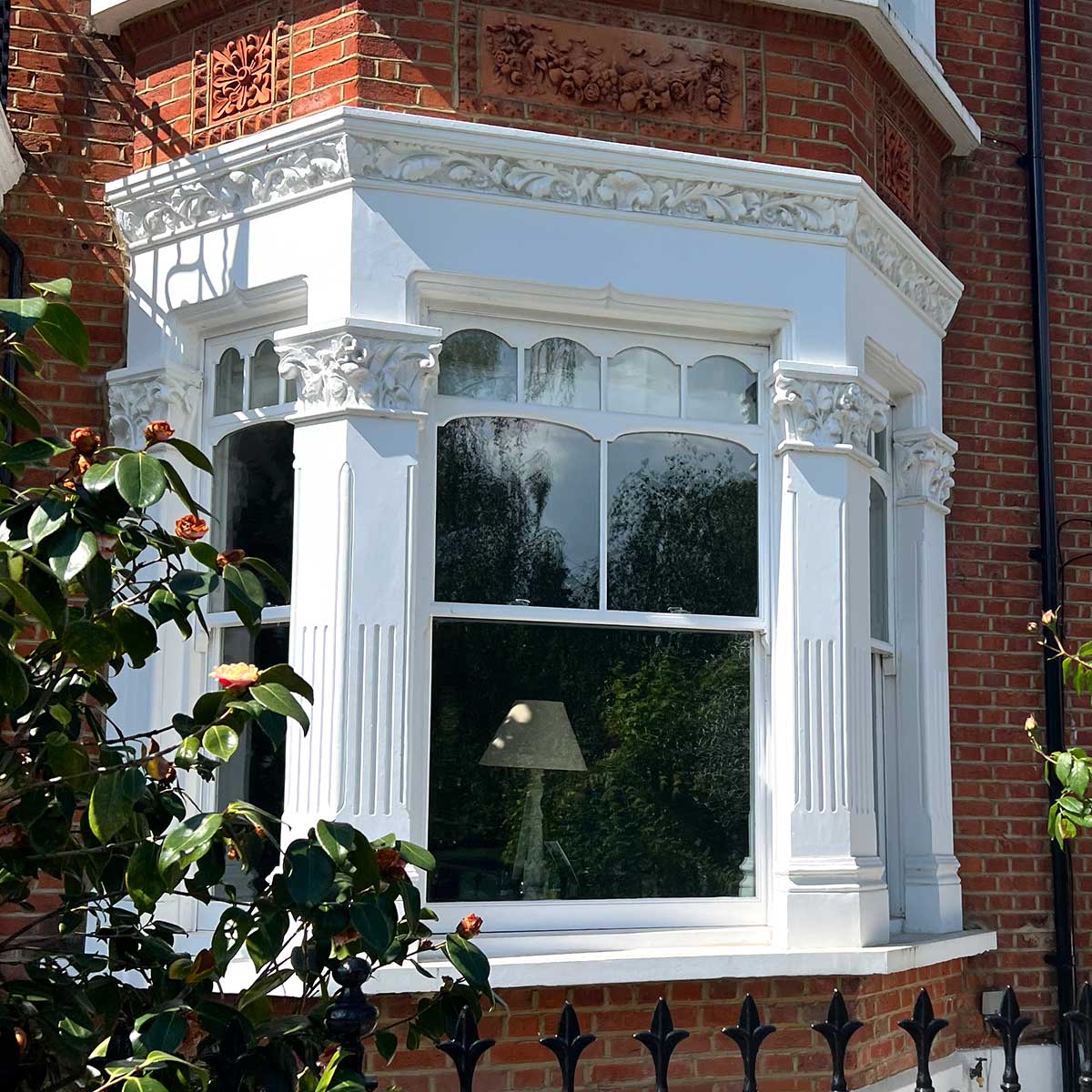 At Cavendish & Cole Timber Sash Windows & Doors, we specialise in the design, manufacture, and installation of beautiful bespoke sash windows,
Wooden Sash Windows
Read More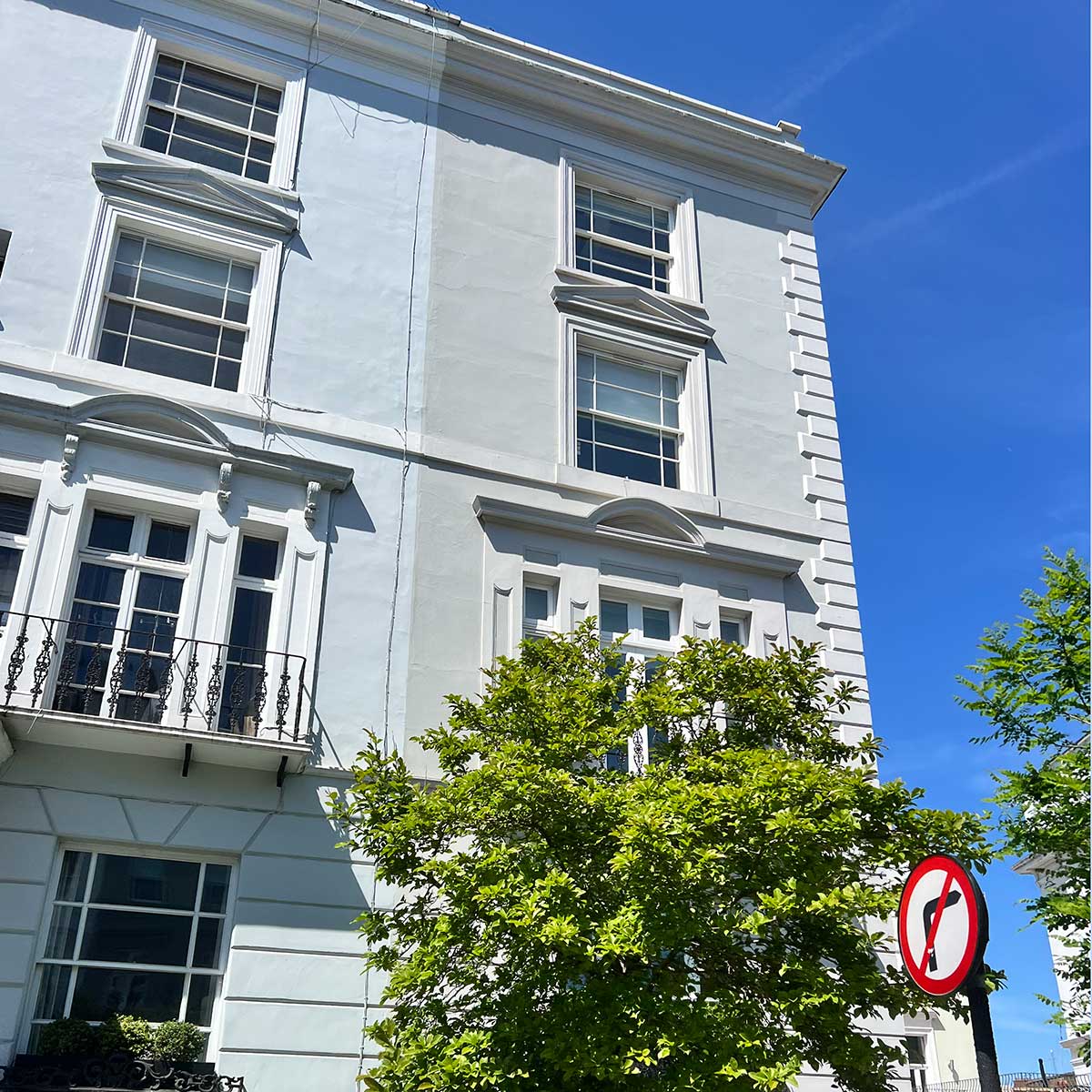 Using ultra-thin Slimlite units, our double glazed sash windows maintain the narrow sightlines and slender glazing bars characteristic of Georgian and Victorian sash windows
Double Glazed
Read More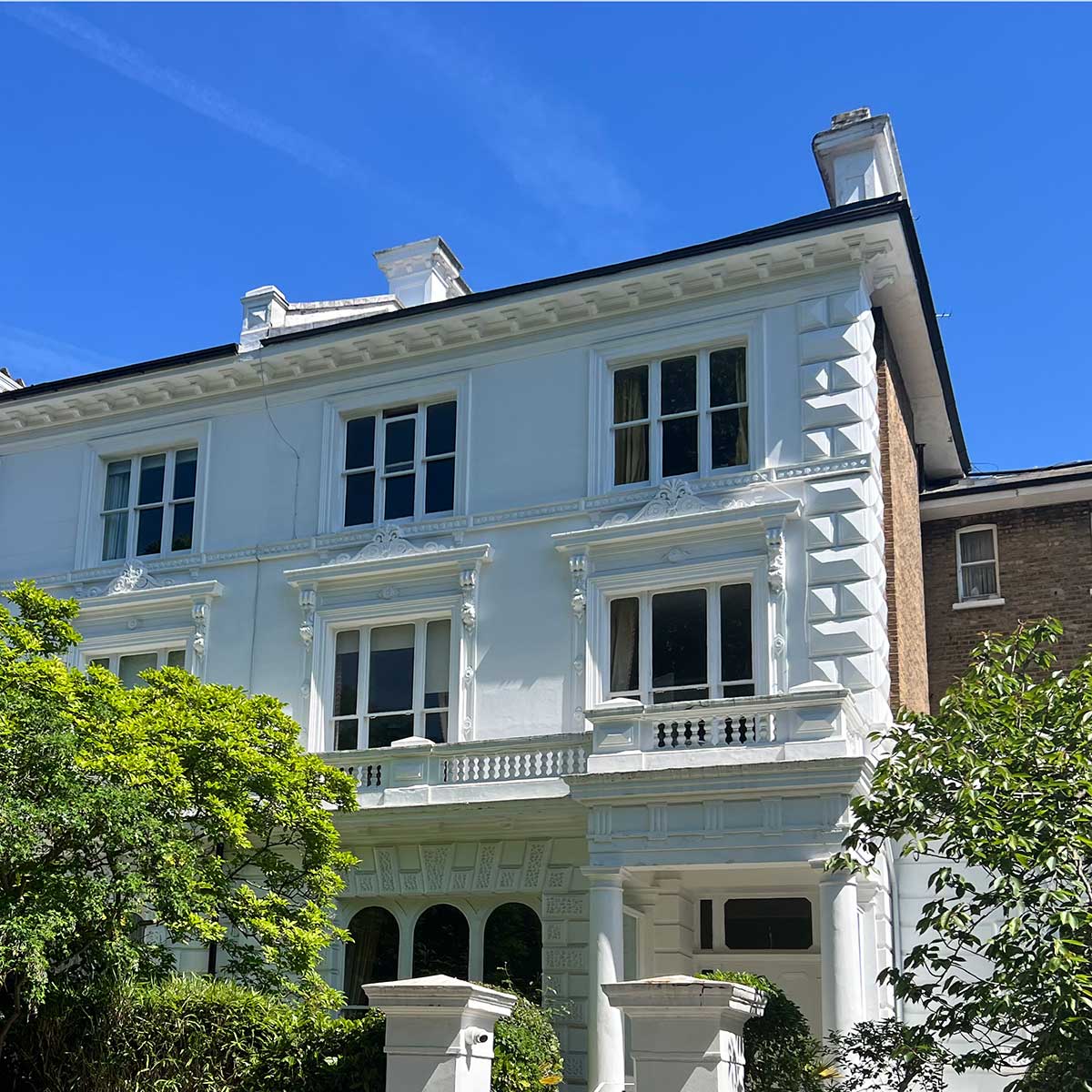 Whether you live in a listed building, conservation area, or a cherished Victorian or Georgian home, our discreet upgrade solutions deliver the warmth and comfort of modern double glazing, without altering the heritage aesthetics that make your home unique.
Single to Double
Read More Discreet double glazing designed for traditional sash windows When it comes to upgrading sash windows in period or listed properties, finding a glazing solution that delivers energy efficiency without compromising aesthetics can be a challenge.
Slimlite Glazing
Read More All our glazing is selected for quality, energy efficiency, and visual compatibility with period-style joinery. We work closely with homeowners, architects, and conservation officers
Glazing Options
Read More Living in a bustling town, near a main road, or under a flight path doesn’t mean you have to sacrifice peace and quiet—nor the classic style of your sash windows.
Noise Reductive
Read More Privacy glazing is a common requirement in bathrooms, cloakrooms, and entryways—but standard modern options often look out of place in traditional homes. That’s why we source a range of authentic obscured and patterned glass styles that work in harmony with Georgian, Victorian, and Edwardian architecture.
Patterened/Obscured
Read More Purus in mollis nunc sed id risus in hendrerit. Ac orci phasellus egestas tellus pellentesque. Egestas tellus rutrum tellus pellentesque tincidunt.